
About
Ebony Riley is stepping into her truth.
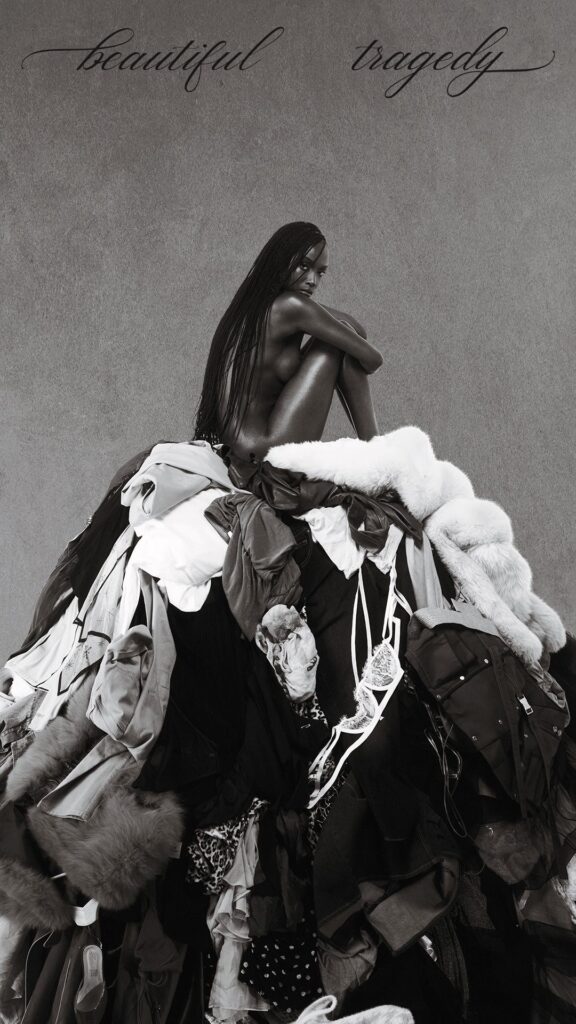
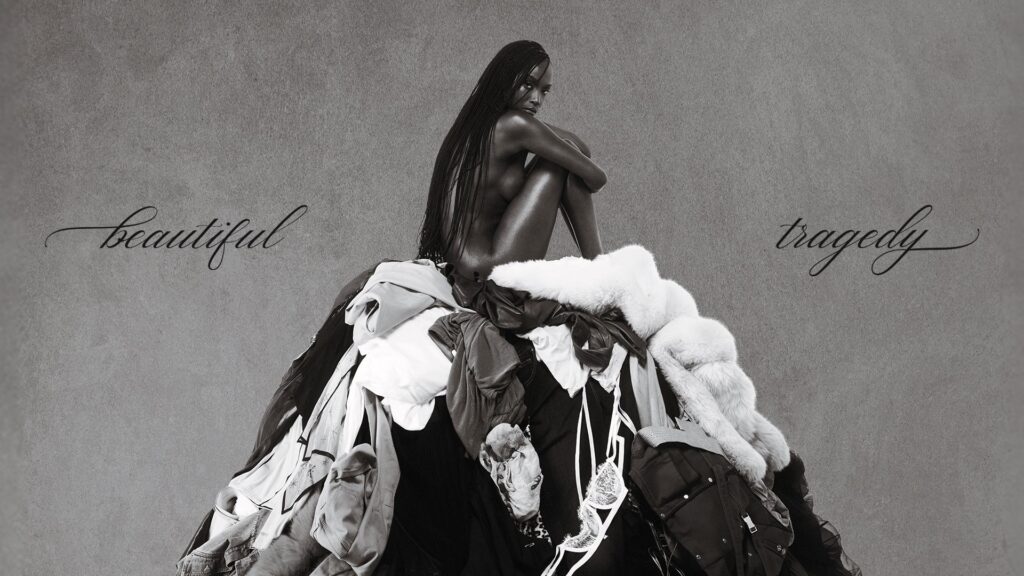
With her debut album Beautiful Tragedy, the Detroit-born singer-songwriter delivers a soul-baring body of work rooted in self-reflection, healing, and becoming. It plays like a conversation with herself and with other women, particularly Black women, whose inner lives are rarely given a platform for this kind of transparency. It is about embracing every part of her story.
The album is dedicated to her late mother, whom Riley lost at just nine years old, a loss that inadvertently shaped the emotional architecture of her life and now finds expression in her art. It is, in many ways, the continuation of a story left unfinished. “There’s so many things she didn’t get to work through,” Riley laments. Through this music, she reconciles the past, turning pain into precision and renewed purpose.
Riley’s childhood was shaped by both instability and joy. She moved frequently, spending much of her early years on the city’s rough and tumble West Side. Despite the challenges, she remains deeply connected to her hometown. “My Detroit is beautiful to me,” she says. “The penny candy store, fire hydrants in the summer, playing spades, talking shit. People have fun even when we’re struggling.”
The struggles were real. At seven years old, she and her older sister were placed in foster care while their mother faced personal challenges. It was difficult, but their foster mother provided structure and safety, and most importantly, they were able to stay together. Their father lived just around the corner but was unable to take in his daughters. A year later, they returned home. Not long after, their mother passed away. Riley and her sister then moved to the suburbs to live with their grandmother, a pivotal shift. It was there, in a house filled with music, that the quiet, shy child found her voice. Guided by her grandmother, she gradually gained confidence through church choir, school musicals, and singing duets at the piano with her Aunt Crystal. She studied the greats: Whitney Houston, Mariah Carey, Lauryn Hill, and Mary J. Blige. “Not just vocalists — artists,” she notes.
Music was always the dream, but there was no clear path forward. Encouraged by a family friend, Riley entered the world of modeling at 18 and moved to Los Angeles. An agent early on told her she needed to change her name because “the industry doesn’t need another Black girl named Ebony.” The comment stung. “I entered the industry being afraid to be myself,” she says. Still, she rose quickly. Under the name Riley Montana, she became one of the most in-demand faces, working with major fashion houses and appearing in leading publications. It was a remarkable ascent, but music remained a constant pull.
In 2023, Riley reintroduced herself, this time on her own terms. She returned to her calling with the self-titled EP ebony, which featured standout tracks like “Deuce Deuce,” “Save Me,” and “I Could Feel It.” The project earned critical attention and led to touring opportunities alongside Jazmine Sullivan and Coco Jones, marking her emergence as a compelling new voice in R&B.
Beautiful Tragedy builds on that foundation. Created in the wake of a breakup and compounded by the loss of both her father and grandmother, it captures Riley in the process of doing the work. The result is strikingly cohesive and emotionally resonant. Her voice reflects that growth, moving effortlessly from pillowy, ethereal highs to dusky, honeyed lows, revealing a new, expansive range honed through intention, time, and discipline.
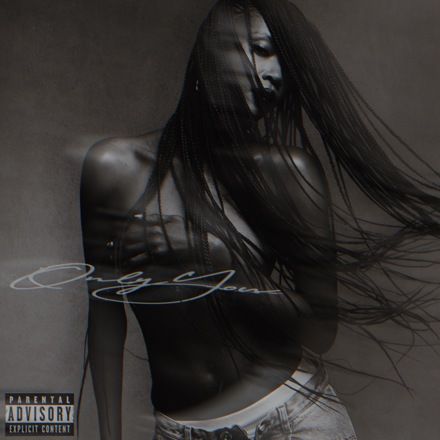
The album opens with the anthemic “Sick of Me,” a moment of self-confrontation that sets the tone. Rather than addressing a lover, Riley turns inward. “When you’re tired of yourself, that’s when change comes,” she explains. The lead single “Only You,” released in late 2025, marked a breakthrough. The song offers a refreshing perspective on modern love, recognizing those partners who show up fully. It became her first record to impact radio, peaking at No. 15 on Billboard’s Adult R&B Airplay chart and introducing her to a wider audience.
Its follow-up, “Honest,” produced by Rodney “Darkchild” Jerkins, Roark Bailey, and Joshua “Jack Lawson” Pyle, peels back another layer. Recorded the day after her father’s passing, the track sits in vulnerability, unpacking abandonment and emotional fatigue with profound clarity. The accompanying visual, filmed in Detroit and featuring members of her family, brings that intimacy full circle.
Across the album, Riley weaves together past and present. “Otherside” reflects moments of light within hardship, while “Know What I’m Doing” features fellow Detroit native Skilla Baby. The closing track, “Bloom,” is a love letter to her younger self, offering comfort, grace, and a sense of arrival. Beautiful Tragedy stands as a testament to self-awareness, personal evolution, and the power of restoration in real time. It is the sound of a woman choosing herself and inspiring others to do the same.

Music



Sorry, there are no shows currently available. To be notified of new tour dates when they are announced, click the RSVP link below.
RSVP